Flatwork & Slabs
Concrete Flatwork & Slabs for Shop & Industrial Floors in Central Alberta
Flat, level, high-strength poured surfaces for work that takes a beating: shop and warehouse floors, equipment and bin pads, laydown yards, aprons, and approaches, formed and finished to grade for the loads they carry.
The work
Industrial flatwork, poured on your site
Industrial flatwork is any flat cast-in-place surface (floors, slabs, pads, aprons, yards) formed and finished to grade for the loads it carries. It is not a thick driveway.
Where a residential slab is built for foot traffic and a car, an industrial slab is engineered for forklifts, loaded trucks, and standing iron, with the thickness, reinforcement, and jointing to match. We pour it where it goes, formed and finished in place.
Residential slab
~4″
Foot traffic, a car
Industrial slab
Engineered
Forklifts, trucks, iron
What we pour
What we pour
Flat surfaces, sized and reinforced to the work that lands on them.
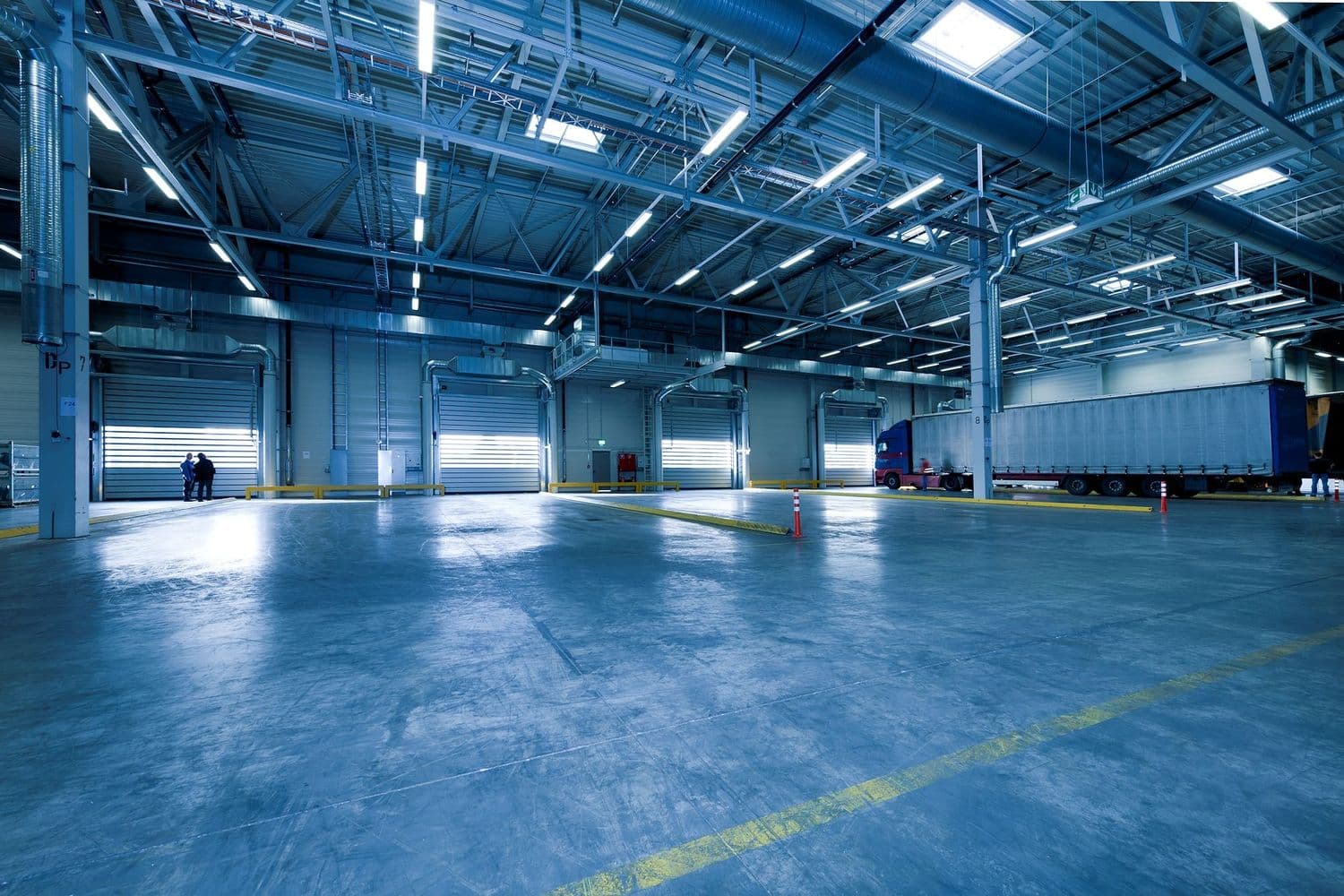
Shop & warehouse floors
Slabs-on-grade engineered for forklifts, loaded trucks, and standing iron: proper thickness, reinforcement, and jointing, not just a thicker driveway.
Equipment & machinery pads
Pads sized and reinforced to the equipment that sits on them, poured level so machinery is set true and stays put.
Grain-bin & tank pads
Bin and tank pads poured to the bin maker's spec: thickness, reinforcement, and footer matched to the loaded weight overhead.
Laydown yards, aprons & approaches
Loading aprons, approaches, quonset and outbuilding slabs, and laydown yards finished for grip and built for the traffic they take.
The durable part
Built to last: base prep, jointing & finish
A slab that holds up is mostly decided before and around the pour: in the base under it and the joints cut into it. Here is where the durability actually comes from.
- 01
The slab is only as good as its base
A compacted subgrade and a well-graded granular base, placed in proper lifts, give the slab uniform support. It is the single biggest driver of a flatwork job that lasts: most settling and heaving comes from poor base prep, not thin concrete.
- 02
Control where it cracks, not whether
Every slab cracks as concrete shrinks. The job is controlling where: saw-cut control joints on an engineered grid so it cracks cleanly along the lines, not randomly across the floor. Under-jointing or cutting late is the number-one cause of random cracking.
- 03
Freeze-thaw built into the mix
Air-entrained concrete, a low water-cement ratio, and a drained base so water does not pool and heave. In central Alberta, that combination is what keeps a slab intact through the freeze-thaw cycles.
- 04
Finish to the job
A broom finish for grip on aprons and outdoor slabs; a hard-trowelled, burnished surface for smooth, easy-clean, coating-ready shop floors. The finish is chosen for how the slab gets used.
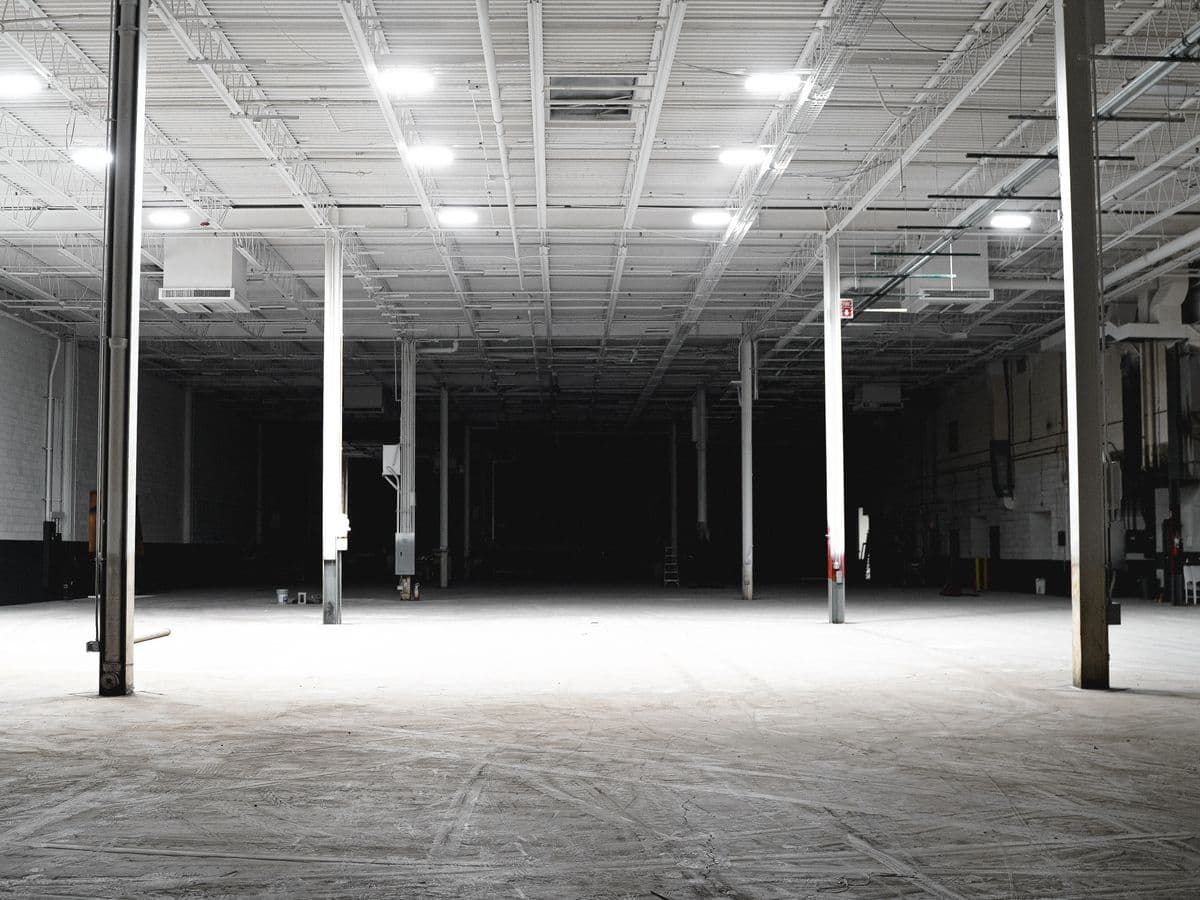
A level slab on a sound base: what carries the load for decades.
Spec
Strength & finish options
Industrial slabs are built to a higher spec than residential, with reinforcement matched to the load rather than poured extra-thick to compensate.
Industrial slabs typically run stronger than residential, designed for the loads and the wear, then cured and sealed so simple maintenance keeps them solid for decades.
A rebar grid for heavy or concentrated loads, mesh or fibre for lighter ones, matched to the job, not used as a substitute for the right design.
Broom for traction on aprons and outdoor slabs; a smooth hard-trowelled, coating-ready surface for shop floors that need to stay clean.
Proper curing and sealing protect the surface against wear and weather, so the slab keeps doing its job long after the crew leaves.
The fine print
Flatwork & slab FAQs
The questions we get most before pouring a shop floor or an industrial pad.
Every slab cracks. Concrete shrinks as it cures, and that is unavoidable. The difference is control: we saw-cut control joints on an engineered grid so the slab cracks cleanly along those lines instead of randomly across the floor. Good jointing and base prep are what keep it predictable.
It depends on the loads. Most shop and warehouse floors with forklift traffic run around 6 to 8 inches; equipment, grain-bin, and heavy-load pads are thicker and more heavily reinforced. We size the slab to what is actually going on it rather than pouring extra concrete as a substitute for design.
Yes. That is exactly what industrial flatwork is for. The thickness, reinforcement, and concrete strength are all designed around your real loads, whether that is forklift traffic, standing machinery, or loaded trucks.
Yes. We prep the base, form, pour, and finish the slab in place, right where you need it, with no hauling finished pieces in.
It is matched to the use. A broom finish gives traction on aprons and outdoor slabs, while a smooth hard-trowelled surface suits easy-clean, coating-ready shop floors. Tell us what the floor is for and we will recommend the finish.
Request a quote
Got a slab to pour?
Send the job and we will quote it. Site visits across central Alberta, no online prices, no obligation.